DJ or Live Band?
Music sets the heartbeat of your wedding day. It shapes the mood, drives the energy, and creates memories that linger long after the last song fades. When it comes to choosing between a DJ and a live band, there is no single “right” answer — only the option that best fits your style, budget, and vision.
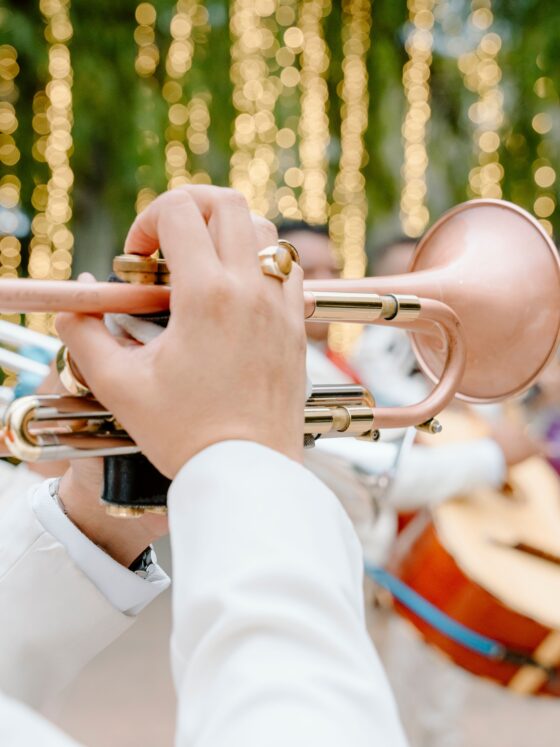
A live band brings an undeniable energy to a reception. There is something electric about watching musicians perform in real time, feeling the rhythm, and witnessing the connection between performers and guests. Live bands excel at creating a sense of occasion, making the celebration feel like a true event rather than just a party. Bands are particularly strong for couples who want a theatrical, immersive experience. A talented group can interact with the crowd, take requests on the fly, and even invite guests to join in for a memorable moment. For destination weddings, a local band can also add a unique cultural touch — think steel pan in the Caribbean, a mariachi ensemble in Mexico, or a string quartet in Europe.
However, live bands do come with considerations. They are typically more expensive than DJs, require more space, and work within a limited repertoire. While they can learn special songs, they are generally confined to their genre and style. Bands also need breaks between sets, which can interrupt the flow of the evening unless planned carefully.
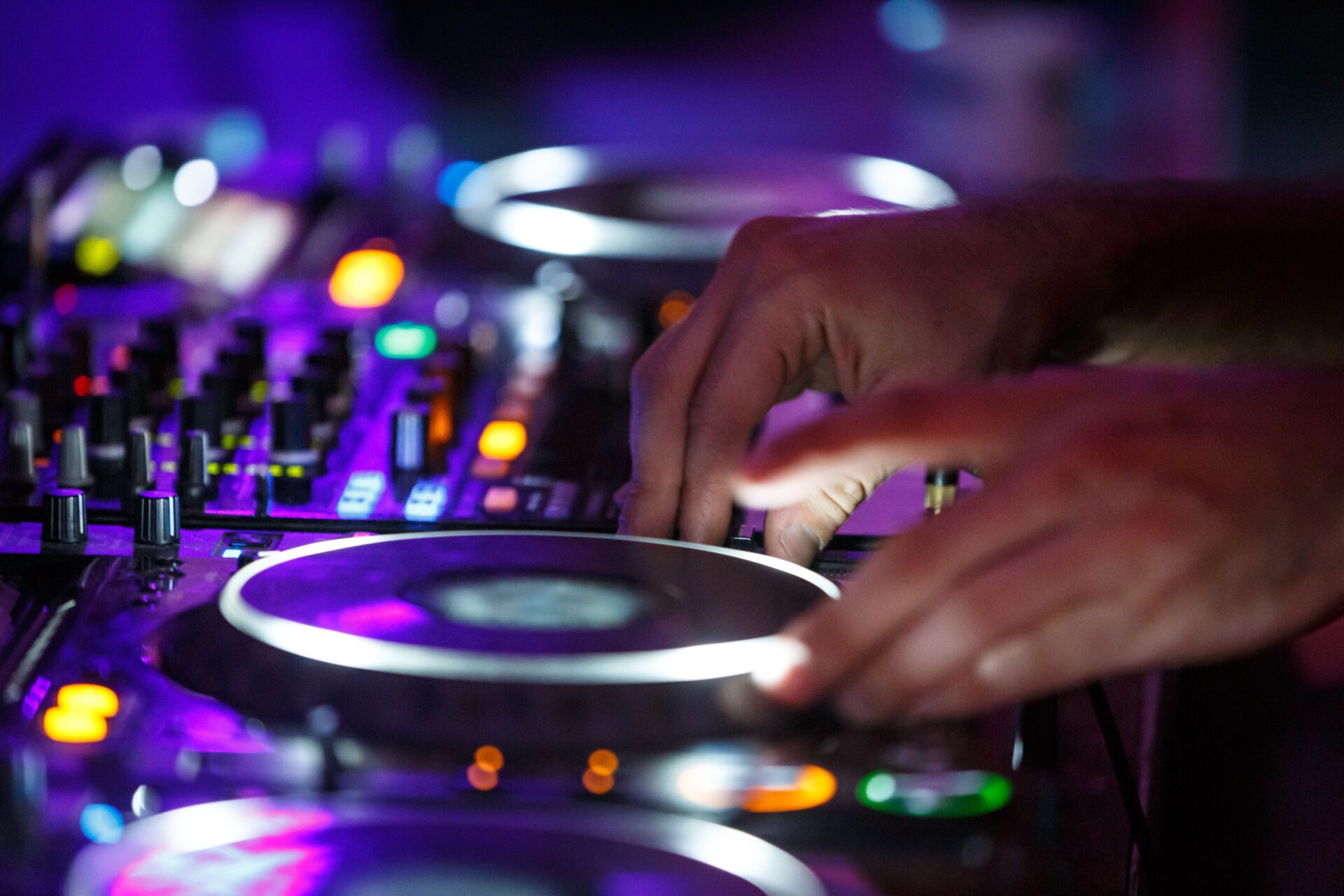
A DJ offers versatility and consistency. With access to an almost unlimited library of songs, a DJ can play any track, in any genre, from any era. This flexibility makes them ideal for couples with eclectic tastes or very specific musical preferences. A DJ can seamlessly transition from ceremony to cocktail hour to reception, maintaining a continuous soundtrack without breaks. DJs are also more budget-friendly and space-efficient. A single DJ setup takes up less room than a full band, making them a smart choice for intimate venues or outdoor settings. They can also control volume levels more precisely, which is helpful in venues with strict sound restrictions.
On the downside, a DJ may lack the visual spectacle and emotional impact of live music. While some DJs incorporate lighting and effects, they do not offer the same theatrical presence as a band. The quality of the experience also depends heavily on the DJ’s skill and personality, so choosing the right professional is crucial.
Price is often a deciding factor. On average, a wedding DJ costs between $1,500 and $2,500, while a live band typically ranges from $3,500 to $5,000 or more. For couples working within a tight budget, a DJ offers excellent value. However, if entertainment is a top priority and you have the budget to match, a live band can elevate the entire reception into a show-stopping experience.
Consider your venue’s layout and acoustics. A live band requires more space for instruments, equipment, and performers, which may be challenging in smaller or more intimate settings. DJs, on the other hand, need minimal space and can adapt to nearly any environment, from a beachfront reception to a historic ballroom.
Think about your guests and the atmosphere you want to create. If you have a crowd that loves to dance and a venue that suits high-energy performances, a band can be unforgettable. If your guests span multiple generations or have diverse musical tastes, a DJ’s ability to play anything on request can keep everyone engaged.
Many couples are now choosing a hybrid approach: a live band or acoustic duo for the ceremony and cocktail hour, followed by a DJ for the reception. This combination offers the emotional depth of live music during key moments and the versatility of a DJ for late-night dancing.
Choosing between a DJ and a live band comes down to your priorities. If you value variety, budget, and seamless flow, a DJ is the smart choice. If you want a high-energy, visually captivating experience and have the budget to support it, a live band can be magical. Either way, the right entertainment will make your wedding feel as unique and unforgettable as your love story.